Vodafone Business

Overview
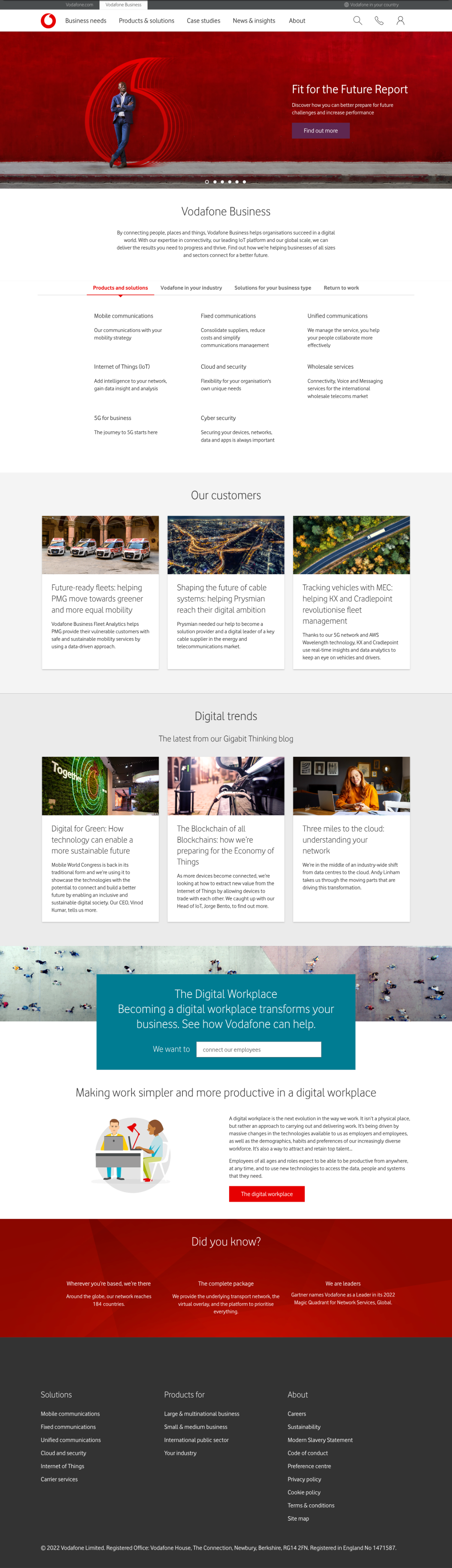
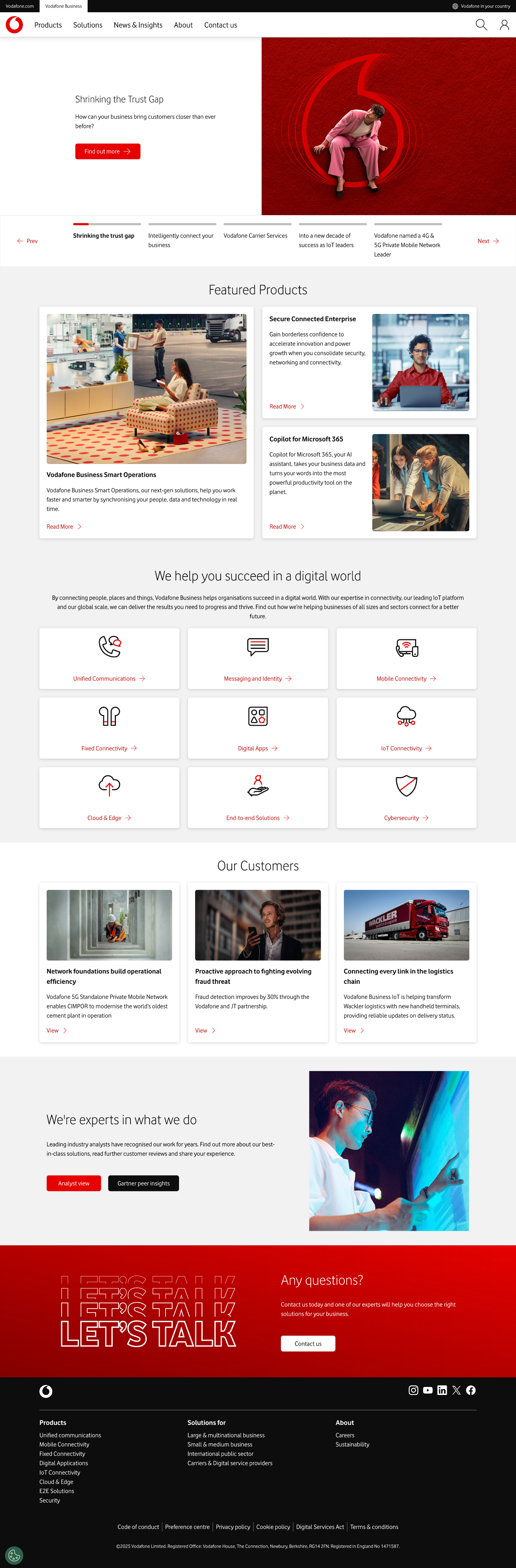
In 2023–2024, Vodafone embarked on a high‑stakes transformation: migrating the entire Group Business website ecosystem — more than 170 pages of product, article, and strategic content — into a new headless CMS (Contentful), supported by rebuilt templates, new UX frameworks, and a redesigned component architecture.
I joined the project during a critical phase, when templates, content structures, workflow governance, and component definitions were still evolving. The migration required not just a technical lift, but a complete rethink of UX standards, content hierarchy, and the editorial workflows needed to support global teams.
My role was to ensure that the new experience was usable, consistent, scalable, and genuinely optimized for both business needs and content authors.
Goal & Problems
This wasn’t a simple port of an existing website. The migration faced multiple layers of complexity:
- 170+ pages needed rewriting, restructuring, redesigning, and migrating into new Contentful templates.
- Many pages relied on legacy components, inconsistent layout patterns, and outdated visual styles.
- The migration had to be executed under extremely tight deadlines, while multiple scrum teams (design, VSSI, copy, development, content authors, offshore teams) worked in parallel.
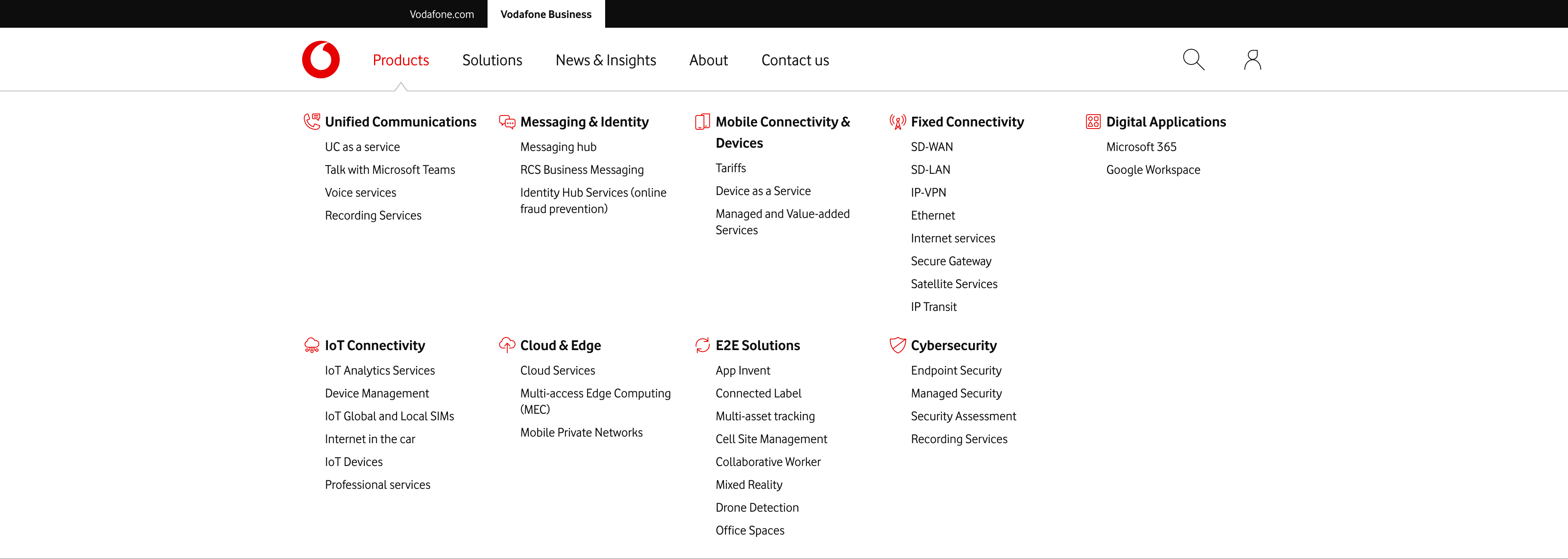
- The CMS was intentionally rigid and fully modular, meaning UX decisions had to define strict, scalable patterns that would work for every team using the system.
- Several product pages and article templates needed to be re‑designed from scratch, along with brand‑approved imagery and error‑page experiences.
- Constant coordination was required with Group UX (Source), VSSI, and local market teams to ensure global consistency.
The real challenge:How do you turn a fragmented, multi‑source legacy website into a unified, flexible, future‑proof experience — at speed?
Approach & Research
To keep quality high in a high-volume migration, I worked through a “systems + execution” approach:
- Template-first thinking
- Stabilised page structures by anchoring everything in repeatable templates (article/product/error)
- Reduced one-off solutions by converting content needs into modular patterns
- Issue-led optimisation
- Weekly UX catch-ups and triage of migration defects
- Turned recurring VEOL issues into clear UX rules (layout, spacing, hierarchy, component behaviour)
- Cross-team workflow alignment
- Workfront task alignment to keep design/UX/dev moving together
- Rapid problem solving in day-to-day UX chats (Figma issues, showcase files, responsive edge cases)
Design
I helped and refined the core templates used across the migration, including:
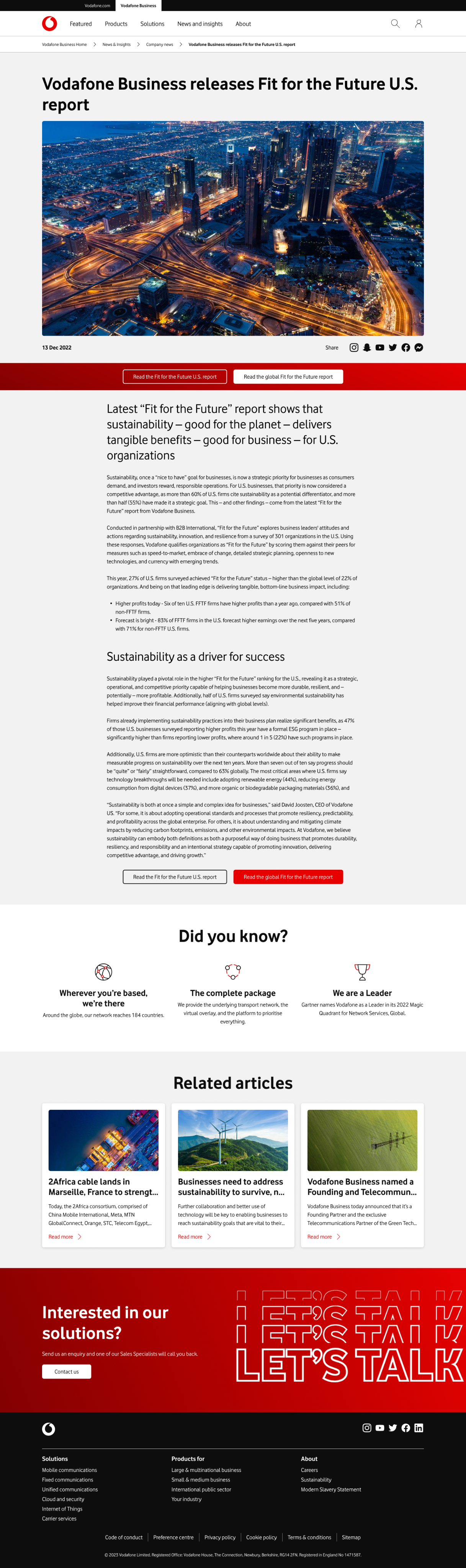
- Article templates (variants for different content types)
- Product page templates
- Error / fallback page templates
Each template needed to be:
- Modular and scalable in Contentful
- Fully aligned to WS10 system patterns
- Flexible enough for multiple markets/content types
- Simple enough for authors to use correctly
2) Content restructuring into clear UX patterns
Many legacy pages weren’t built with modular authoring in mind. I supported the migration by:
- Simplifying and re-ordering content to create clear hierarchy
- Mapping legacy pages to the correct template + modules
- Defining repeatable patterns so pages looked and behaved consistently
- Helping teams resolve “unplaced pages” and hub/page structure questions during catch-ups
3) Component consistency + governance
Migration success depended on component predictability. I contributed to:
- Updating/replacing legacy components to fit WS10 behaviours
- Defining component usage rules (when to use what, and how)
- Aligning component structure with business needs and content logic
4) Responsive assets + banner QA (high-volume delivery)
A major source of migration friction was visual and responsive behaviour—especially banners and imagery. I supported:
- Banner image handling rules and breakpoints
- Responsive testing and fixes across desktop/tablet/mobile
- Rapid iteration to remove layout regressions and maintain visual hierarchy
5) Ongoing collaboration under pressure
This work was highly collaborative and fast-moving. I became a consistent UX contact across:
- Group UX alignment
- Designers + developers
- Copywriters and content authors
- Offshore teams supporting delivery
Star Award
“Excellent job on the Web Migration project in all aspects. A true testament that you can take and deliver mammoth projects with complex structure and content.”
Kaan Fişek
Interim Senior Manager
Outcomes
- 170+ pages successfully migrated
- Delivered into Contentful with stable templates, improved hierarchy, and consistent WS10-aligned UI patterns.
- A scalable, reusable UX system
- Templates + component rules created a foundation that future teams can use without reinventing layouts per page.
- Faster delivery through clearer governance
- Turning recurring issues into repeatable patterns reduced back-and-forth and prevented repeated design defects.
- Higher-quality responsive experience
- Banner/image QA and breakpoint rules improved consistency across devices and reduced layout regressions.
- Recognised for impact and reliability
- Stakeholder feedback highlighted speed, accuracy, autonomy, and strong cross-team collaboration during a high-pressure delivery phase.
Portfolio
Vodafone Business
Overview
In 2023–2024, Vodafone embarked on a high‑stakes transformation: migrating the entire Group Business website ecosystem — more than 170 pages of product, article, and strategic content — into a new headless CMS (Contentful), supported by rebuilt templates, new UX frameworks, and a redesigned component architecture.
I joined the project during a critical phase, when templates, content structures, workflow governance, and component definitions were still evolving. The migration required not just a technical lift, but a complete rethink of UX standards, content hierarchy, and the editorial workflows needed to support global teams.
My role was to ensure that the new experience was usable, consistent, scalable, and genuinely optimized for both business needs and content authors.
Goal & Problems
This wasn’t a simple port of an existing website. The migration faced multiple layers of complexity:
- 170+ pages needed rewriting, restructuring, redesigning, and migrating into new Contentful templates.
- Many pages relied on legacy components, inconsistent layout patterns, and outdated visual styles.
- The migration had to be executed under extremely tight deadlines, while multiple scrum teams (design, VSSI, copy, development, content authors, offshore teams) worked in parallel.
- The CMS was intentionally rigid and fully modular, meaning UX decisions had to define strict, scalable patterns that would work for every team using the system.
- Several product pages and article templates needed to be re‑designed from scratch, along with brand‑approved imagery and error‑page experiences.
- Constant coordination was required with Group UX (Source), VSSI, and local market teams to ensure global consistency.
The real challenge:How do you turn a fragmented, multi‑source legacy website into a unified, flexible, future‑proof experience — at speed?
Approach & Research
To keep quality high in a high-volume migration, I worked through a “systems + execution” approach:
- Template-first thinking
- Stabilised page structures by anchoring everything in repeatable templates (article/product/error)
- Reduced one-off solutions by converting content needs into modular patterns
- Issue-led optimisation
- Weekly UX catch-ups and triage of migration defects
- Turned recurring VEOL issues into clear UX rules (layout, spacing, hierarchy, component behaviour)
- Cross-team workflow alignment
- Workfront task alignment to keep design/UX/dev moving together
- Rapid problem solving in day-to-day UX chats (Figma issues, showcase files, responsive edge cases)
Design
I helped and refined the core templates used across the migration, including:
- Article templates (variants for different content types)
- Product page templates
- Error / fallback page templates
Each template needed to be:
- Modular and scalable in Contentful
- Fully aligned to WS10 system patterns
- Flexible enough for multiple markets/content types
- Simple enough for authors to use correctly
2) Content restructuring into clear UX patterns
Many legacy pages weren’t built with modular authoring in mind. I supported the migration by:
- Simplifying and re-ordering content to create clear hierarchy
- Mapping legacy pages to the correct template + modules
- Defining repeatable patterns so pages looked and behaved consistently
- Helping teams resolve “unplaced pages” and hub/page structure questions during catch-ups
3) Component consistency + governance
Migration success depended on component predictability. I contributed to:
- Updating/replacing legacy components to fit WS10 behaviours
- Defining component usage rules (when to use what, and how)
- Aligning component structure with business needs and content logic
4) Responsive assets + banner QA (high-volume delivery)
A major source of migration friction was visual and responsive behaviour—especially banners and imagery. I supported:
- Banner image handling rules and breakpoints
- Responsive testing and fixes across desktop/tablet/mobile
- Rapid iteration to remove layout regressions and maintain visual hierarchy
5) Ongoing collaboration under pressure
This work was highly collaborative and fast-moving. I became a consistent UX contact across:
- Group UX alignment
- Designers + developers
- Copywriters and content authors
- Offshore teams supporting delivery
Star Award
“Excellent job on the Web Migration project in all aspects. A true testament that you can take and deliver mammoth projects with complex structure and content.”
Kaan Fişek
Interim Senior Manager

Outcomes
- 170+ pages successfully migrated
- Delivered into Contentful with stable templates, improved hierarchy, and consistent WS10-aligned UI patterns.
- A scalable, reusable UX system
- Templates + component rules created a foundation that future teams can use without reinventing layouts per page.
- Faster delivery through clearer governance
- Turning recurring issues into repeatable patterns reduced back-and-forth and prevented repeated design defects.
- Higher-quality responsive experience
- Banner/image QA and breakpoint rules improved consistency across devices and reduced layout regressions.
- Recognised for impact and reliability
- Stakeholder feedback highlighted speed, accuracy, autonomy, and strong cross-team collaboration during a high-pressure delivery phase.
Portfolio
Vodafone Business
Overview
In 2023–2024, Vodafone embarked on a high‑stakes transformation: migrating the entire Group Business website ecosystem — more than 170 pages of product, article, and strategic content — into a new headless CMS (Contentful), supported by rebuilt templates, new UX frameworks, and a redesigned component architecture.
I joined the project during a critical phase, when templates, content structures, workflow governance, and component definitions were still evolving. The migration required not just a technical lift, but a complete rethink of UX standards, content hierarchy, and the editorial workflows needed to support global teams.
My role was to ensure that the new experience was usable, consistent, scalable, and genuinely optimized for both business needs and content authors.
Goal & Problems
This wasn’t a simple port of an existing website. The migration faced multiple layers of complexity:
- 170+ pages needed rewriting, restructuring, redesigning, and migrating into new Contentful templates.
- Many pages relied on legacy components, inconsistent layout patterns, and outdated visual styles.
- The migration had to be executed under extremely tight deadlines, while multiple scrum teams (design, VSSI, copy, development, content authors, offshore teams) worked in parallel.
- The CMS was intentionally rigid and fully modular, meaning UX decisions had to define strict, scalable patterns that would work for every team using the system.
- Several product pages and article templates needed to be re‑designed from scratch, along with brand‑approved imagery and error‑page experiences.
- Constant coordination was required with Group UX (Source), VSSI, and local market teams to ensure global consistency.
The real challenge:How do you turn a fragmented, multi‑source legacy website into a unified, flexible, future‑proof experience — at speed?
Approach & Research
To keep quality high in a high-volume migration, I worked through a “systems + execution” approach:
- Template-first thinking
- Stabilised page structures by anchoring everything in repeatable templates (article/product/error)
- Reduced one-off solutions by converting content needs into modular patterns
- Issue-led optimisation
- Weekly UX catch-ups and triage of migration defects
- Turned recurring VEOL issues into clear UX rules (layout, spacing, hierarchy, component behaviour)
- Cross-team workflow alignment
- Workfront task alignment to keep design/UX/dev moving together
- Rapid problem solving in day-to-day UX chats (Figma issues, showcase files, responsive edge cases)
Design
I helped and refined the core templates used across the migration, including:
- Article templates (variants for different content types)
- Product page templates
- Error / fallback page templates
Each template needed to be:
- Modular and scalable in Contentful
- Fully aligned to WS10 system patterns
- Flexible enough for multiple markets/content types
- Simple enough for authors to use correctly
2) Content restructuring into clear UX patterns
Many legacy pages weren’t built with modular authoring in mind. I supported the migration by:
- Simplifying and re-ordering content to create clear hierarchy
- Mapping legacy pages to the correct template + modules
- Defining repeatable patterns so pages looked and behaved consistently
- Helping teams resolve “unplaced pages” and hub/page structure questions during catch-ups
3) Component consistency + governance
Migration success depended on component predictability. I contributed to:
- Updating/replacing legacy components to fit WS10 behaviours
- Defining component usage rules (when to use what, and how)
- Aligning component structure with business needs and content logic
4) Responsive assets + banner QA (high-volume delivery)
A major source of migration friction was visual and responsive behaviour—especially banners and imagery. I supported:
- Banner image handling rules and breakpoints
- Responsive testing and fixes across desktop/tablet/mobile
- Rapid iteration to remove layout regressions and maintain visual hierarchy
5) Ongoing collaboration under pressure
This work was highly collaborative and fast-moving. I became a consistent UX contact across:
- Group UX alignment
- Designers + developers
- Copywriters and content authors
- Offshore teams supporting delivery
Star Award
“Excellent job on the Web Migration project in all aspects. A true testament that you can take and deliver mammoth projects with complex structure and content.”
Kaan Fişek
Interim Senior Manager
Outcomes
- 170+ pages successfully migrated
- Delivered into Contentful with stable templates, improved hierarchy, and consistent WS10-aligned UI patterns.
- A scalable, reusable UX system
- Templates + component rules created a foundation that future teams can use without reinventing layouts per page.
- Faster delivery through clearer governance
- Turning recurring issues into repeatable patterns reduced back-and-forth and prevented repeated design defects.
- Higher-quality responsive experience
- Banner/image QA and breakpoint rules improved consistency across devices and reduced layout regressions.
- Recognised for impact and reliability
- Stakeholder feedback highlighted speed, accuracy, autonomy, and strong cross-team collaboration during a high-pressure delivery phase.
Portfolio